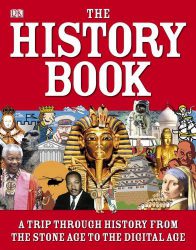
Go back in time and rewind history to the juicy bits. Do you think history is just about boring dates and long-dead kings and queens? Send your child back
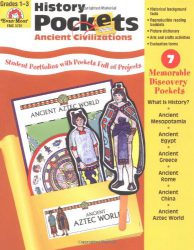
History PocketsAncient Civilizations,Grades 13, contains seven discovery pockets. An introduction pocket gives an overview of the time periods studied. The other pockets focus on the food, shelter, clothing, and
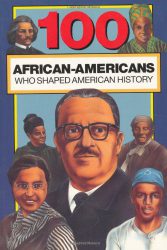
FOR USE IN SCHOOLS AND LIBRARIES ONLY. Offers brief biographies of African American educators, entertainers, inventors, authors, athletes, and others who have made important contributions to American life. Product
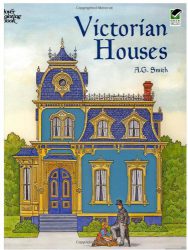
Twenty-nine meticulously rendered, ready-to-color illustrations portray the many distinctive styles of actual Victorian-era homes, including a seaside cottage in the “stick style”; an Italianate San Francisco residence of the
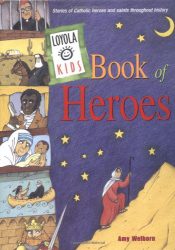
What do heroes do? Do they fight monsters? Sometimes, but they also hold the hands of people who are sick and lonely. They build schools. They study the planets.
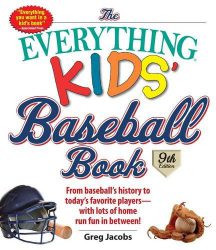
Play ball! From the backyard to the ballpark, The Everything Kids’ Baseball Book, 9th Edition captures all the action, fun, and excitement of America’s favorite pastime! Sports reporter Greg
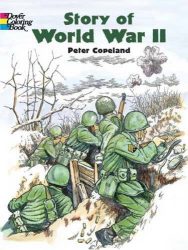
The greatest and most destructive war in history, World War II involved gigantic struggles not only in Europe, but in Asia, Africa, and islands of the South Pacific as
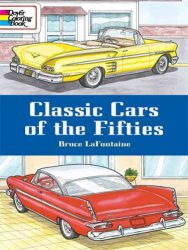
Americans have always loved their cars — and at no other time in automotive history were they more appreciated and enjoyed than during the postwar 1950s. People clamored for