This post contains affiliate links. As an Amazon Associate I earn from qualifying purchases
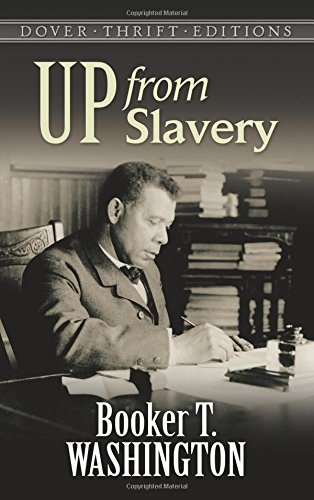
Born in a Virginia slave hut, Booker T. Washington (1856–1915) rose to become the most influential spokesman for African Americans of his day. In this eloquently written book, he describes events in a remarkable life that began in bondage and culminated in worldwide recognition for his many accomplishments. In simply written yet stirring passages, he tells of his impoverished childhood and youth, the unrelenting struggle for an education, early teaching assignments, his selection in 1881 to head Tuskegee Institute, and more.
A firm believer in the value of education as the best route to advancement, Washington disapproved of civil-rights agitation and in so doing earned the opposition of many black intellectuals. Yet, he is today regarded as a major figure in the struggle for equal rights, one who founded a number of organizations to further the cause and who worked tirelessly to educate and unite African Americans.Nineteenth-century African American businessman, activist, and educator Booker Taliaferro Washington’s Up from Slavery is one of the greatest American autobiographies ever written. Its mantras of black economic empowerment, land ownership, and self-help inspired generations of black leaders, including Marcus Garvey, Elijah Muhammad, Malcolm X, and Louis Farrakhan. In rags-to-riches fashion, Washington recounts his ascendance from early life as a mulatto slave in Virginia to a 34-year term as president of the influential, agriculturally based Tuskegee Institute in Alabama. From that position, Washington reigned as the most important leader of his people, with slogans like “cast down your buckets,” which emphasized vocational merit rather than the academic and political excellence championed by his contemporary rival W.E.B. Du Bois. Though many considered him too accommodating to segregationists, Washington, as he said in his historic “Atlanta Compromise” speech of 1895, believed that “political agitation alone would not save [the Negro],” and that “property, industry, skill, intelligence, and character” would prove necessary to black Americans’ success. The potency of his philosophies are alive today in the nationalist and conservative camps that compose the complex quilt of black American society.
Audible Annual Paid Membership
Gift of Audible 12-month Membership Plan
Kindle Unlimited 24 Month Paid Membership
Audible PLUS Paid Digital Membership
Gift of Audible 3-month Membership Plan
Gift of Audible 6-month Membership Plan
Gift of Audible 1-month Membership Plan
Kindle Unlimited 12 Month Paid Membership
SNAP EBT Enrollment
Audible PLUS Free Trial Digital Membership
The Drop Text Alerts
Kindle Unlimited 6 Month Paid Membership
Amazon Prime for Young Adults 6-month Trial
Amazon Baby Registry
Amazon Wedding Registry
Amazon Prime Free Trial
Kindle Unlimited Free Trial
Amazon Home Services
Prime Gaming
Amazon Prime Discounted Monthly Offering
Amazon Kids+ Free Trial
Amazon Kids+ Special Promotions
Prime Try Before You Buy First Box Checkout
Amazon Music Unlimited Monthly Subscription
Amazon Music Unlimited Digital Bundle
Amazon Prime Video Free Trial
This post contains affiliate links. As an Amazon Associate I earn from qualifying purchases